Last reviewed: April 2026
The Studio Landscape in Singapore
Singapore has a growing network of pottery studios, most of which are privately owned and run as small businesses. They range from compact shophouse spaces to multi-room facilities in industrial buildings, and the majority are concentrated in central and eastern districts. Studios typically operate on a booking-only model, with classes held in small groups of four to ten participants.
What Beginner Courses Typically Cover
Most introductory pottery courses in Singapore span four to ten sessions. A standard beginner programme includes the following stages:
- Wedging: Preparing clay by kneading it to remove air bubbles and achieve an even consistency.
- Centring: Placing the clay on the wheel head and pressing it into the centre while the wheel rotates.
- Opening and pulling: Creating a hollow form and drawing the walls upward.
- Shaping: Refining the profile into bowls, cups, cylinders, or other forms.
- Trimming: Carving excess clay from the base after the piece has dried to a leather-hard stage.
- Glazing: Applying glaze by dipping, pouring, or brushing, and selecting finishes.
Course fees at private studios generally range from SGD 250 to SGD 600 for a basic programme, depending on the number of sessions and firing allowances. Most courses include clay, use of tools, and at least one bisque and one glaze firing.
Notable Studios Across the Island
The 8th Floor Ceramics
One of the earlier private studios in Singapore to offer structured wheel-throwing courses. Their two-phase programme covers 20 lessons at 3 hours per session, with a progress-monitoring system that tracks each student individually. Classes run on weekday evenings and weekend mornings or afternoons.
Ves Studio
Ves offers combined wheelthrowing and handbuilding courses, with programmes ranging from 4 to 10 sessions. Their 10-class course allows students to choose between additional wheelthrowing or handbuilding practice during the extended sessions. Glazing is taught in the final week, and all courses include unlimited clay.
Sen by Prodigal
Located at Jalan Kukoh, Sen operates primarily on weekends and offers taster classes (1.5 to 2 hours) alongside structured multi-week courses. Open studio sessions are available at SGD 12 per hour, providing wheel and handbuilding access for potters who have completed at least one course. Each student receives studio-supplied clay and access to house glazes.
WeekendWorker Ceramics Studio
Situated near Maxwell MRT, WeekendWorker combines course offerings with a retail ceramics line. Their handbuilding and wheelthrowing courses run in 4- to 10-week blocks. The studio also hosts corporate and group sessions.
LASALLE College of the Arts
LASALLE's Continuing Education Programme runs a multi-level ceramics series, starting with Ceramics for Absolute Beginners I (hand building) and advancing through three additional levels. Sessions are 3 hours long, held weekly over 8 weeks. Fees are claimable under SkillsFuture Credit and UTAP, which can offset a significant portion of the cost.
Open Studio and Kiln Access
Some studios offer open studio hours or membership models that grant independent access to wheels, tools, and kiln firing outside of structured classes. This is particularly relevant for hobbyists who have completed introductory courses and want to continue practising without enrolling in additional programmes.
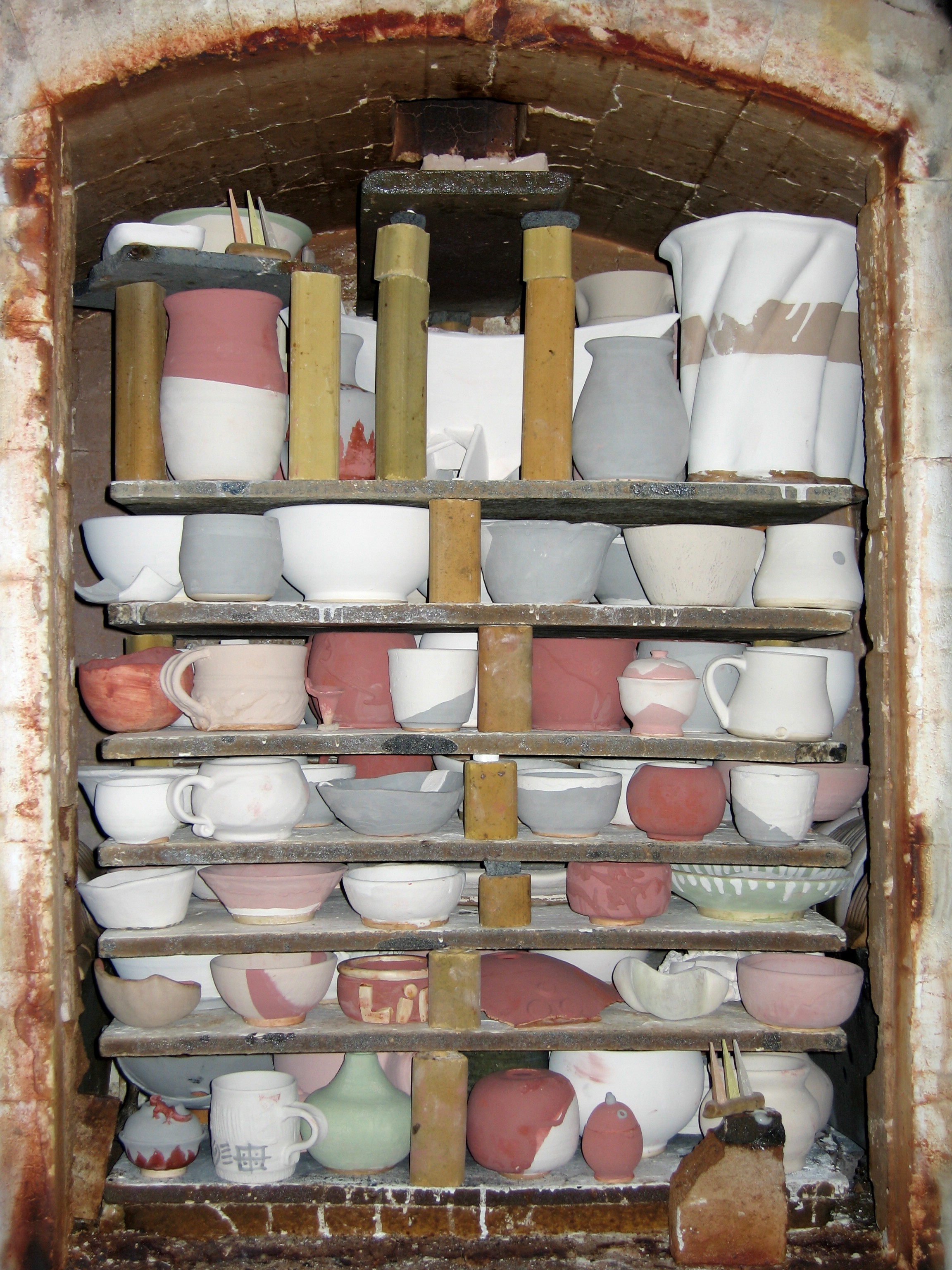
Kiln access is typically charged per piece or per shelf. Most studios operate electric kilns for oxidation firing. A smaller number have gas kilns that can fire in reduction, which is needed for certain glaze effects. Turnaround time after glazing usually ranges from one to three weeks.
Factors to Consider When Choosing a Studio
- Location and transport: Proximity to MRT stations matters, particularly for evening classes. Studios near Paya Lebar, Chinatown, and Bras Basah are among the more accessible.
- Class size: Smaller groups (four to six students) typically mean more hands-on time with the instructor.
- Firing inclusions: Some courses include a fixed number of firings in the fee; others charge per piece separately.
- Clay and glaze range: Studios that offer multiple clay bodies and glaze options give students more room to experiment.
- SkillsFuture eligibility: Programmes at accredited institutions such as LASALLE can be partially offset using SkillsFuture Credit.