Pottery & Ceramics for Hobbyists in Singapore
From hand building fundamentals to kiln-firing techniques, this archive compiles practical notes on clay, glazes and local studio access across the island.
Recent Articles
Practical guides for anyone interested in pottery and ceramics in Singapore

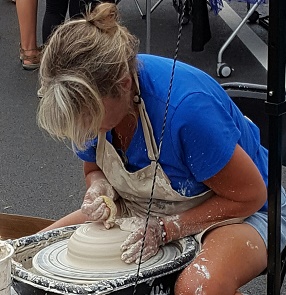
Hand Building and Wheel Throwing Basics
A look at the core forming methods used in studio pottery, from pinching and coiling to centring clay on an electric wheel.

Understanding Glaze Safety for Ceramics
What potters in Singapore need to know about lead, cadmium, food-safe glazing and SFA regulations for ceramic tableware.
Pottery Studios and Kiln Access in Singapore
An overview of studios across the island that offer wheel throwing courses, open studio hours, and kiln firing for independent potters.

Why Pottery Has Gained Traction Locally
Over the past several years, a growing number of Singaporeans have taken up pottery as a creative outlet. The tactile nature of clay work, combined with the meditative rhythm of centering on a wheel, has made ceramics one of the more popular crafting hobbies among working adults.
Studios across the city now cater to complete beginners with structured multi-week courses that typically cover wedging, centring, trimming, and glazing in a single programme.

Kiln Firing: What Beginners Should Expect
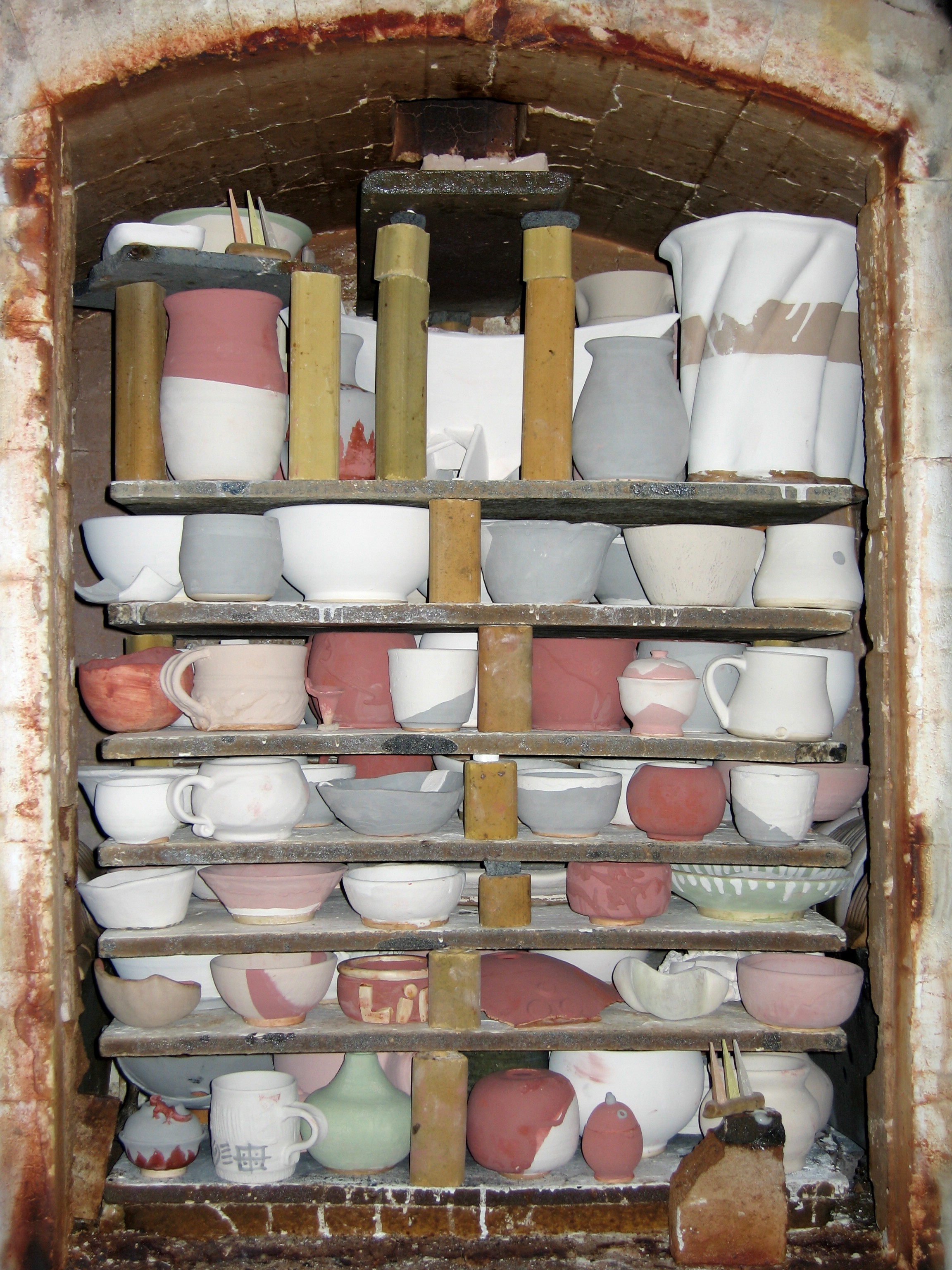
Most studio pottery in Singapore goes through two firings. The first, called bisque firing, heats raw clay to around 900 – 1000 °C, converting it into a porous but solid ceramic body. The second, or glost firing, melts the applied glaze at temperatures between 1200 – 1280 °C for stoneware.
Studios that offer kiln access typically charge per piece or per shelf. Turnaround times range from one to three weeks depending on studio schedules and kiln capacity.